Islington gardeners guide to garden waste rules and disposal
If you garden in Islington, the bits you cut back, clear out, and sweep up can quickly become more awkward than the gardening itself. Hedge trimmings, grass cuttings, soil, branches, dead plants, old turf, and the odd broken pot all have different disposal needs. This Islington gardeners guide to garden waste rules and disposal explains what counts as garden waste, how to handle it properly, and how to avoid the common mistakes that lead to mess, wasted time, or unnecessary costs.
Truth be told, most problems start with a simple assumption: "it's green waste, so it must all go the same way." Not quite. A few minutes of sorting can save a lot of hassle later, especially in a borough like Islington where space is tight and collections, access, and storage all need a bit of planning.
Below, you'll find a practical, local-friendly guide covering disposal options, compliance basics, what to keep separate, and how gardeners can keep things tidy without cutting corners. If you want broader help with ongoing upkeep, you may also find the garden maintenance and garden clearance services pages useful when planning a larger job.
Table of Contents
- Why Islington gardeners guide to garden waste rules and disposal Matters
- How Islington gardeners guide to garden waste rules and disposal Works
- Key Benefits and Practical Advantages
- Who This Is For and When It Makes Sense
- Step-by-Step Guidance
- Expert Tips for Better Results
- Common Mistakes to Avoid
- Tools, Resources and Recommendations
- Law, Compliance, Standards, or Best Practice
- Options, Methods, or Comparison Table
- Case Study or Real-World Example
- Practical Checklist
- Conclusion
- Frequently Asked Questions
Why Islington gardeners guide to garden waste rules and disposal Matters
Garden waste rules matter because garden waste is bulky, seasonal, and easy to underestimate. A small prune can become a car boot full of cuttings before you've even finished the borders. In a dense London borough, that can create problems fast: overflowing bags, blocked access, muddy paths, pests, and an untidy site that annoys neighbours as much as it slows you down.
There's also a practical side. If waste is sorted well, it's easier to compost, recycle, load, or remove. If it's mixed carelessly with soil, plastic ties, general rubbish, or broken materials, it becomes harder to dispose of responsibly. That usually means more handling, more time, and often more cost. No one loves that part.
For gardeners and property owners in Islington, the main goal is simple: keep organic waste moving through the right route, keep non-organic items out of the pile, and make sure you are not creating a nuisance or breaching local collection rules. That sounds formal, but in real life it mostly means being tidy, organised, and a bit ruthless about what stays and what goes.
Good waste handling also supports healthier gardens. If diseased clippings are not separated, or if woody debris is left rotting in the wrong place, you can end up spreading problems from bed to bed. It's one of those unglamorous details that makes a visible difference two weeks later. You will notice it, even if nobody else does.
How Islington gardeners guide to garden waste rules and disposal Works
In plain English, the process usually works like this: identify the waste type, separate it if needed, decide whether it can be reused on-site, and then choose the right disposal route. That route might be composting, green waste collection, a dedicated clearance service, or another approved disposal method depending on the material and the scale of the job.
Most garden waste falls into the organic category. That includes grass cuttings, hedge trimmings, leaves, soft prunings, weeds, and small branches. These materials are usually suitable for composting or green waste processing if they are free from contamination. But once you mix in soil, stones, treated timber, plastic, pots, or building waste, the load changes. It may no longer be classed as clean garden waste.
That distinction matters. A sack of leaves is simple. A sack containing roots, rubble, and old plant ties is not. In small Islington gardens, where bags fill up quickly and space is limited, separation often has to happen on the spot. A little sorting at source saves a lot of re-sorting later.
For larger works, especially after hedge reduction, seasonal cutbacks, or a full garden tidy, it can be useful to combine disposal planning with the main task itself. That is where a service like hedge trimming or a wider services overview can help you see the bigger picture before the green waste starts piling up.
One small but important point: not every item that came from the garden should be treated as garden waste. A broken planter, a bag of old compost packaging, or leftover fixings from landscaping work may need a different disposal route. The label "garden waste" is useful, but it is not a catch-all. That's where people get caught out, usually at the worst possible moment.
Key Benefits and Practical Advantages
Sorting garden waste properly is not just about being tidy for tidy's sake. There are real advantages, and some of them are immediate.
- Less clutter on site: clean waste stacks more neatly and is easier to move.
- Lower risk of contamination: separating plastics, soil, and rubble keeps organic waste usable.
- Better presentation: especially important if you are maintaining a front garden, shared courtyard, or rented property.
- Improved efficiency: fewer back-and-forth trips and fewer handling stages.
- Better environmental outcomes: organic waste can often be composted or recycled rather than dumped.
- Reduced friction with neighbours or managing agents: no one wants bags of cuttings left outside for days.
There's another benefit that people underestimate: momentum. A garden looks more manageable once waste is removed. The remaining work suddenly feels lighter. That matters when you are staring at a damp mound of clippings on a grey Tuesday morning and wondering where to start. Small victory, but still a victory.
If your garden includes hard surfaces, timber features, or edging that needs occasional work, it may also help to plan disposal around any related project work. For example, landscaping and decking services often generate mixed waste streams, so combining the work can be more efficient than tackling each job separately.
Who This Is For and When It Makes Sense
This guide is for anyone in Islington who has to deal with garden waste responsibly. That includes homeowners, tenants with access to a garden, landlords, estate managers, and local gardeners carrying out routine maintenance or one-off clearances.
It makes particular sense if you are dealing with any of the following:
- hedge cutting or shrub reduction
- lawn mowing and edging
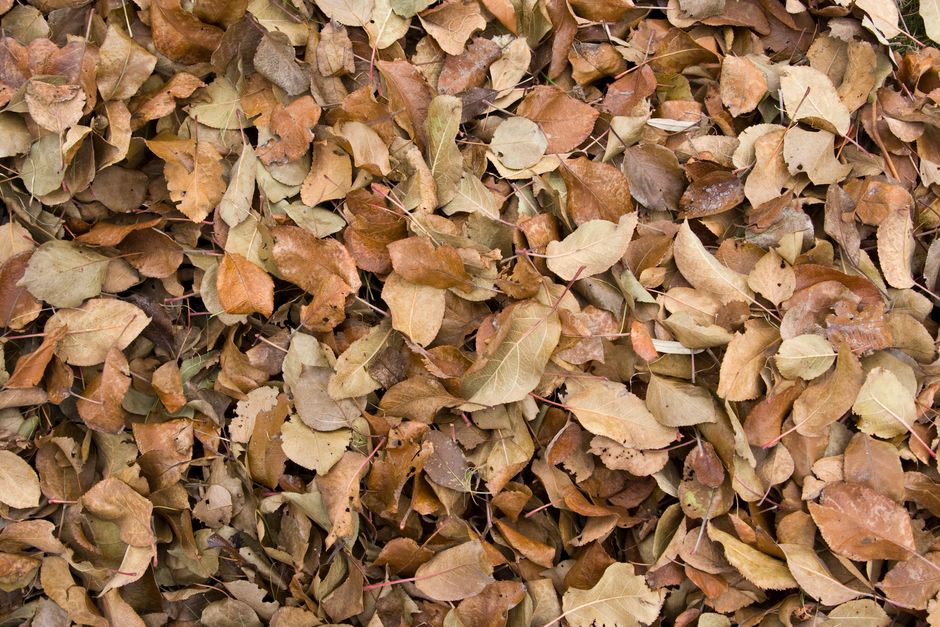
- seasonal leaf fall
- border clearance and replanting
- storm damage, broken branches, or windblown debris
- overgrown gardens that have not been maintained for a while
- pre-sale or end-of-tenancy tidy-ups
It is also relevant if you only garden occasionally and find the disposal side more frustrating than the gardening itself. Let's face it, some people love pruning and deadheading; others would rather do almost anything else. If you fall into the second group, a structured disposal plan is the difference between a neat finish and a half-finished pile of bags by the gate.
For routine upkeep, local gardeners often pair waste handling with services like lawn mowing or ongoing garden maintenance, because the waste output is more predictable and easier to manage in one visit.
Step-by-Step Guidance
If you want a simple process, use this sequence. It works well for small gardens and scales up fairly neatly for bigger jobs too.
- Clear the work area first. Move pots, toys, tools, and anything reusable out of the way. You do not want to sort waste around clutter.
- Separate waste as you go. Put grass, leaves, soft cuttings, and woody material in one area. Keep plastics, wire, labels, and rubble apart.
- Check for contamination. Remove food waste, household rubbish, treated timber, compost bags, and anything that should not go with green waste.
- Decide what can stay on-site. Some cuttings can be composted, mulched, or used as habitat in a tucked-away corner if they are clean and appropriate.
- Bag or bundle sensibly. Use manageable loads. Overstuffed bags split, and broken handles are never fun.
- Keep access clear. Leave enough room for moving material out safely, especially on narrow Islington paths, shared entrances, or basement steps.
- Arrange the disposal route early. Whether that means collection, private clearance, or drop-off, don't leave it as an afterthought.
- Do a final sweep. Check for loose leaves, twigs, and mud before the waste leaves the property. It makes the whole job look finished.
A small real-world note: if you are working near a boundary wall or a busy pavement, sorting before loading is much easier than trying to untangle mixed waste in the street. The smell of fresh cut grass is lovely. A broken bag full of wet clippings on the pavement? Not so much.
Expert Tips for Better Results
Good waste handling gets easier once you build a few habits.
- Cut in stages during larger jobs. If you trim everything at once, you end up with a mountain of material. Staging makes the pile easier to control.
- Work dry if you can. Wet green waste is heavier, messier, and more likely to compact into awkward bags.
- Keep a separate container for small contaminants. A bucket for ties, labels, and snapped canes saves a lot of faffing later.
- Use the garden's layout to your advantage. Open paths, paved areas, and driveways make collection simpler.
- Think in waste streams, not just waste. Soft green waste, woody cuttings, soil, and mixed rubbish are different jobs.
One of the best habits is to ask, "Can this be reused before it is removed?" Some prunings can be chipped or used as mulch. Some leaves can be composted. Some woody offcuts can be cut down for structure or habitat. Not everything needs a vehicle, a bag, and a tip. That is especially true in smaller gardens where every inch matters.
If your project is likely to produce a mixed load, it may be worth speaking to a provider that understands both disposal and practical site work. The approach taken by teams that handle recycling and sustainability can be especially helpful when you want waste dealt with responsibly rather than simply removed quickly.
Common Mistakes to Avoid
Most garden waste problems come from a few repeat mistakes. Some are minor. Some are the sort that make you mutter under your breath and start again.
- Mixing everything together. Green waste mixed with rubbish, soil, and rubble is much harder to process.
- Overfilling bags. Overloaded bags tear, tip, and make lifting unsafe.
- Leaving waste out too long. In wet weather, it gets heavier and less pleasant fast.
- Ignoring access issues. Narrow side passages, steps, or locked gates can slow the whole job.
- Forgetting thorny or sharp material. Rose clippings, wire, and broken canes can cause nasty little cuts.
- Assuming all "garden waste" is the same. It isn't. Soil and rubble often need different handling.
Another common oversight is underestimating the volume. A hedge can look neat after trimming, but the waste pile can be surprisingly bulky. If the garden has not been touched for a while, that effect multiplies quickly. A single bin bag looks harmless; ten of them suddenly need a plan.
And yes, a quick tidy-up often turns into a bigger job than expected. That's normal. Most gardens are a bit like that, honestly.
Tools, Resources and Recommendations
You do not need a truckload of kit to handle garden waste properly, but a few basics make life much easier.
- Heavy-duty garden waste bags: choose sturdy ones that can handle damp clippings.
- Tarpaulin or sheet: useful for gathering cuttings and protecting paths.
- Gloves with grip: especially for brambles, thorny stems, and damp debris.
- Bypass secateurs and loppers: keep cuts cleaner and reduce ragged material.
- Wheelbarrow or trug: very handy for moving waste through tight spaces.
- Rake and stiff brush: ideal for the final tidy-up.
For larger or more awkward jobs, it helps to choose a service with clear communication around access, waste handling, and site safety. You can also review practical information about health and safety policy and insurance and safety if you are comparing providers or planning a more involved project.
If you are simply trying to get a sense of costs, the pricing and quotes page is a useful place to understand how larger waste-heavy jobs are typically approached. Not every garden needs the same solution, and that's okay.
Law, Compliance, Standards, or Best Practice
Garden waste disposal in the UK is shaped by general waste-duty principles, local collection arrangements, and responsible handling expectations. For everyday gardeners, the safest approach is to treat green waste separately, keep contaminated material out of organic waste streams, and use legitimate disposal routes only.
In practical terms, that means:
- not fly-tipping or leaving waste in unsuitable places
- not mixing garden waste with household rubbish unless a collection route allows it
- keeping sharp, dirty, or treated materials separate
- using reputable removal methods for larger volumes
- being careful with protected trees, boundary disputes, and shared access areas
There may also be site-specific expectations if you live in a managed block, rental property, or shared garden setting. In those cases, the "rule" is not just about waste type. It is also about access, timings, storage, and how tidy the shared area must remain. A neighbour's right to a clear passage is not just a nice idea; it's a real-life issue in cramped urban settings.
Best practice is usually simple: sort early, store safely, remove promptly, and document anything unusual if you are managing the work for someone else. If you are unsure about a particular material, separate it rather than guessing. That small pause can prevent a bigger headache later.
Options, Methods, or Comparison Table
Different gardens call for different disposal methods. Here is a straightforward comparison to help you decide what fits the job.
| Method | Best for | Advantages | Watch-outs |
|---|---|---|---|
| On-site composting | Leaves, soft clippings, small non-diseased waste | Low cost, useful for soil improvement | Needs space, time, and the right balance of materials |
| Bagged green waste collection | Routine garden tidy-ups and moderate volumes | Simple and neat | Bags must be suitable and not contaminated |
| Private garden clearance | Large cutbacks, overgrown gardens, mixed organic loads | Fast, convenient, practical for busy sites | Costs vary with volume and access |
| Reuse as mulch or habitat | Clean woody material, twigs, leaves | Environmentally sensible, reduces waste | Not suitable for diseased or contaminated material |
| Mixed waste separation | Jobs with soil, pots, rubble, and garden debris | Helps keep recyclable material cleaner | Takes more time and judgement |
For many Islington gardens, the best answer is a blend of methods. Small routine waste can be composted or bagged. A larger seasonal cutback may need a full clearance approach. There is no prize for doing everything the hard way.
Case Study or Real-World Example
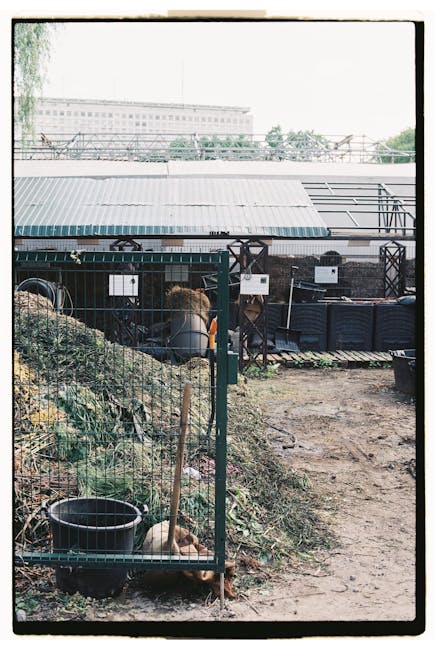
Imagine a typical Islington back garden after a spring tidy. The lawn has been cut, the hedge has been reduced a little, and the border has been cleared of winter debris. Nothing dramatic. But by the end, there are three distinct waste types sitting there in plain sight: soft cuttings, woody hedge material, and a few awkward extras like old plant ties and broken cane supports.
If all of that goes into one pile, the job gets messy fast. The bags become heavier than they look, the woody stems poke through, and the small bits of non-organic material make the load less suitable for recycling. With a bit of sorting, though, the same garden becomes easy to manage: soft waste in one heap, woody material bundled separately, and a small container for the bits that do not belong with either.
That kind of workflow is what makes a clearance feel calm rather than chaotic. It also reduces the chance of leaving a trail of crumbs along a narrow path or shared entrance. In a compact urban garden, that matters more than people think. It's the little things - the clean sweep, the neat pile, the last rake line - that make the result feel finished.
Where the job is bigger, or where the garden has become badly overgrown, teams that offer tree lopping and removal or broader clearance support can often handle the disposal side more efficiently because the waste is planned from the start rather than treated as an afterthought.
Practical Checklist
Use this checklist before you finish a garden job or book disposal support.
- Have I separated green waste from rubbish, soil, and rubble?
- Are there any sharp, thorny, or awkward materials to bundle safely?
- Can any clean waste be composted or reused on-site?
- Are bags, bundles, or piles manageable and not overfilled?
- Is access clear for moving waste out of the garden?
- Have I checked for diseased plants or contaminated material?
- Do I know which disposal route I'm using?
- Have I cleared loose debris from paths, steps, and edges?
- Is the waste stored safely if it cannot be removed immediately?
- Do I need help from a professional garden clearance or maintenance team?
If you can tick most of those off, you're in a good place. If not, pause and reset. It always takes less time than fixing a messy finish later.
Get a free quote today and see how much you can save.
Conclusion
Garden waste disposal sounds straightforward until you actually have a pile of it in front of you. Then the details matter: what is organic, what is contaminated, what can be reused, and what needs to leave the site in a proper way. For Islington gardeners, a tidy process is not just convenient. It is the difference between a smooth job and a frustrating one.
Keep your waste streams separate, plan the removal route early, and don't underestimate how quickly a small tidy-up grows legs. If you stay organised, the garden looks better, the job feels lighter, and the finish is cleaner. Simple as that, really.
If you are dealing with a bigger project, it can help to work with a team that understands the full picture, from trimming and clearance through to sustainability and safe disposal. You can learn more about the business on the about us page, or review the recycling and sustainability approach if responsible disposal is a priority for you.
And if you are ready to talk through a job, small or large, the contact us page is there when you need it. A well-kept garden is rarely about one perfect day. It is about making the next sensible step, and then the one after that.
Frequently Asked Questions
What counts as garden waste in Islington?
Garden waste usually includes grass cuttings, hedge trimmings, leaves, weeds, small branches, and other organic material from routine gardening. Soil, rubble, plastics, broken pots, and treated wood are often handled separately.
Can I put all green waste into one bag?
Sometimes yes, but only if the waste is clean and suitable for the same disposal route. Mixing in soil, stones, wire, or household rubbish can make the bag unsuitable and more difficult to process.
Is it better to compost garden waste or have it collected?
It depends on the amount of waste, the space you have, and how quickly you need the garden cleared. Composting is great for small, clean volumes. Collection or clearance is usually better for larger jobs or mixed material.
What should I do with hedge trimmings after a big cutback?
Separate the woody material from softer clippings if you can. Bundle or bag it neatly, keep it dry if possible, and arrange removal in a way that suits the volume. Large cutbacks often need a more deliberate disposal plan.
Can diseased plants go in the same pile as other garden waste?
It is safer not to mix them. Diseased material can spread problems if handled carelessly. Keep it separate and follow the most cautious disposal route available for that type of waste.
Do I need a professional for garden waste disposal?
Not always. Small, routine garden jobs can often be handled with composting or local collection. A professional makes more sense when the garden is overgrown, access is awkward, or the waste volume is large.
What is the biggest mistake people make with garden waste?
Mixing everything together. It seems efficient at first, but it usually creates more work later. Clean organic waste is much easier to move, process, and dispose of responsibly.
How can I make garden waste easier to remove from a small Islington property?
Use manageable bags, keep paths clear, and sort waste as you go. In a tight space, a tidy staging area makes all the difference. A tarpaulin or wheelbarrow can help too.
Are there best practices for garden waste during rainy weather?
Yes. Wet waste is heavier and messier, so try to cover it, bag it in smaller amounts, and remove it sooner rather than later. Wet leaves and clippings can turn into a slippery nuisance very quickly.
How do I know whether my garden waste is contaminated?
If it contains plastic ties, food waste, soil clods, rubble, treated timber, or other non-organic material, it is likely contaminated for green waste purposes. When in doubt, separate it and treat it differently.
Can garden clearance help with waste compliance?
Yes. A well-planned clearance service should sort materials sensibly, remove waste safely, and reduce the risk of mixing unsuitable items together. It is especially helpful when a garden has become overgrown or cluttered.
Where can I learn more about the company's standards?
You can read more about company values, safety, and related service expectations through the site's health and safety policy, insurance and safety, and services overview pages.