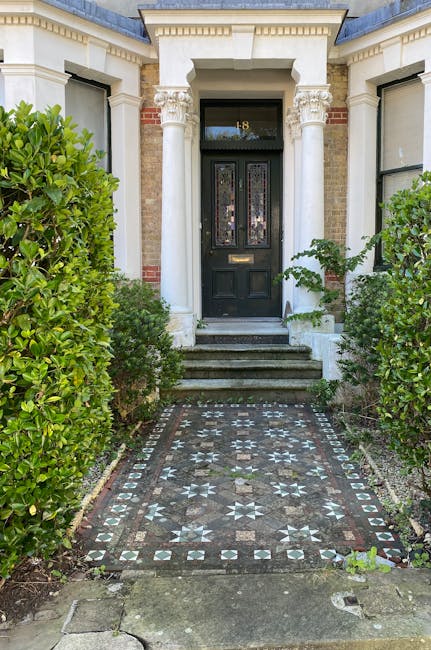
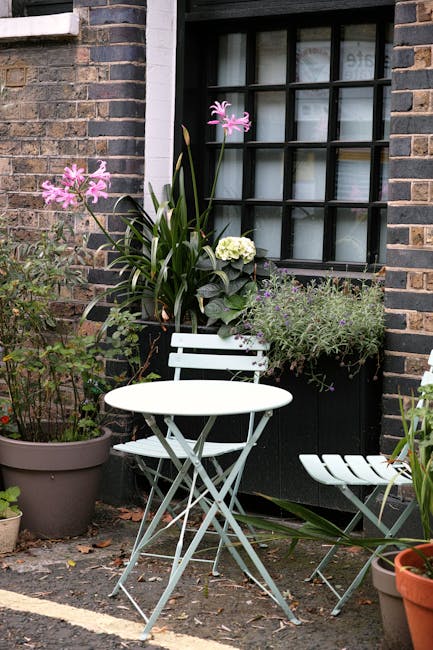
Angel station front garden tips from Islington gardeners
If you live near Angel station, you already know the front of a house has to work hard. Space is tight, pavements are busy, pollution hangs around a bit longer than you'd like, and yet the front garden still needs to look welcoming. That is exactly where Angel station front garden tips from Islington gardeners can make a real difference. A good front garden here isn't just decorative. It can soften a terrace, improve privacy, create a calmer entrance, and make a compact London property feel more lived-in and cared for.
In practice, the best results usually come from making small, thoughtful choices rather than trying to cram in too much. The right planting, the right hard landscaping, and a maintenance plan that fits real life - that's the sweet spot. Below, you'll find practical guidance shaped around local conditions, with a focus on what actually works in Islington rather than generic garden advice that sounds nice but falls apart by October.
Table of Contents
- Why Angel station front garden tips from Islington gardeners Matters
- How Angel station front garden tips from Islington gardeners Works
- Key Benefits and Practical Advantages
- Who This Is For and When It Makes Sense
- Step-by-Step Guidance
- Expert Tips for Better Results
- Common Mistakes to Avoid
- Tools, Resources and Recommendations
- Law, Compliance, Standards, or Best Practice
- Options, Methods, or Comparison Table
- Case Study or Real-World Example
- Practical Checklist
- Conclusion
- Frequently Asked Questions
Why Angel station front garden tips from Islington gardeners Matters
Front gardens in the Angel area face a very particular set of conditions. You're often dealing with narrow plots, shaded entrances, older brick frontages, and a lot of foot traffic nearby. Some homes sit close to busy roads, so dust, grit, and general urban wear are part of the picture. If you've ever watered a plant in the morning and found it looking oddly tired by evening, you'll know what London frontage gardening can feel like. A bit unforgiving, truth be told.
That is why local knowledge matters. Islington gardeners tend to favour plants and layouts that survive real city conditions: shallow root systems where space is limited, evergreen structure for year-round tidiness, and materials that don't become slippery or shabby after a wet spell. They also understand that front gardens need to balance appearance with practicality. Nobody wants a beautiful border that blocks the path, traps mud, or turns into a maintenance headache by midsummer.
For many homes near Angel station, the front garden is also the first impression people get. That matters whether you are selling, renting, welcoming guests, or simply wanting to enjoy the view every time you come home with a bag of shopping and one glove missing. A smart front garden can quietly lift the whole property.
If you're looking at a broader outdoor refresh, it can also help to think beyond the frontage. Many homeowners pair their front garden work with ideas from garden maintenance support or a larger landscaping service so the front and back of the property feel joined up rather than patched together.
How Angel station front garden tips from Islington gardeners Works
The basic idea is simple: design the space around how it is actually used. A front garden near Angel station is not a country garden, and it shouldn't pretend to be one. The most successful approaches usually follow three steps: assess the site, choose resilient features, then keep the design easy to maintain.
First, local gardeners look at light, drainage, exposure, and access. Does the space face south and bake in afternoon sun? Is it shaded by neighbouring buildings? Does rain sit in one corner after a downpour? Those details affect everything from plant choice to the type of edging you use. Second, they focus on structure. That usually means a small number of reliable plants, a clear path or threshold, and maybe one stronger focal point such as a clipped shrub, a pot arrangement, or a neat front boundary. Third, they plan for maintenance, because a front garden that looks tidy only if you spend every weekend on it is, lets face it, not much of a success.
In Islington, many front gardens work best when they are designed to be read quickly. That means clean lines, restrained planting, and a simple colour palette. It doesn't mean boring. It means intentional. A small evergreen frame with seasonal flowers can look far more polished than a crowded bed full of plants that all fight for attention.
For some properties, the front garden is mainly about softening hard materials. In others, it is about privacy from the street. In a few, especially on older terraces, the focus may be drainage and soil improvement because the original ground has been compacted over years. The method changes a little each time, but the principle stays the same: make the garden easier to live with, not harder.
Key Benefits and Practical Advantages
A well-planned front garden delivers more than curb appeal. It changes how the whole property feels.
- Better first impressions: A neat frontage makes a home feel cared for from the pavement up.
- Improved privacy: Low hedging, screens, or layered planting can soften sightlines without making the house feel shut in.
- More usable space: A clear layout reduces clutter and makes bins, bikes, and everyday access less awkward.
- Lower maintenance over time: Resilient planting and simple surfaces usually mean fewer repairs and less weekly tidying.
- Seasonal interest: With a good plant mix, the garden can look alive in winter as well as summer.
- Property value support: While no one should overstate this, an attractive frontage can help a home feel more desirable and better kept.
There's also a quieter benefit that people often underestimate: mood. A front garden that greets you with a little green and some shape can take the edge off a busy London day. You notice it on the way out. You notice it on the way in. That counts.
If you want the frontage to feel part of a larger outdoor plan, it can help to compare options with residential garden services or a more detailed garden design approach. That way, the front space supports the rest of the property instead of competing with it.
Who This Is For and When It Makes Sense
This kind of front garden advice is especially useful if you live in a terrace, maisonette, converted flat, or narrow plot near Angel station. It also makes sense if your existing frontage feels tired, exposed, or too high-maintenance for your schedule.
You may be the right person for this approach if:
- your front garden is small and hard to keep tidy;
- you want a smarter entrance without major building work;
- the soil is poor, compacted, or patchy;
- you need better drainage or less mud near the path;
- you want more privacy from the street;
- you have plants that keep failing because the site is shaded or exposed;
- you are preparing to sell, rent, or simply improve day-to-day enjoyment.
It also makes sense if you've already tried a few casual fixes - a couple of pots, a packet of annuals, maybe a shrub bought on impulse - and the result still feels a bit unfinished. That's normal. Front gardens usually need a plan, not just plant shopping.
If your project is more about tidying than redesigning, a focused service such as front garden maintenance can be a sensible first step before you commit to anything bigger.
Step-by-Step Guidance
Here is a practical way to approach an Angel front garden without making it overcomplicated.
1. Start with a proper assessment
Walk the space in the morning and again later in the day. Look at where the light falls, where water collects, where people naturally walk, and where the garden feels cramped. If there is a front boundary, check whether it needs repair or just a clean-up. Many problems become obvious once you look at the space as a route, not just as a planting bed.
2. Decide what the space needs to do
Does it need to be mostly decorative? Do you need storage for bins? Is privacy a priority? Do you want pollinator-friendly planting, or do you want something low-allergen and easy to maintain? A front garden can do several things, but it should not try to do everything at once. That's where layouts go wrong.
3. Choose a simple structure
In most Islington front gardens, structure matters more than variety. Think in layers: a clear path, a small number of anchor plants, and perhaps a repeated edging plant or container scheme. A little repetition actually helps. It makes the space feel calm instead of cluttered.
4. Improve soil and drainage before planting
If the soil is compacted, break it up gently and add organic matter where appropriate. In tight urban gardens, drainage can be a real issue, especially if the area has been walked on for years. Raised beds or pots may be more practical than trying to fight poor soil everywhere. Not glamorous, but effective.
5. Plant for the site, not for the catalogue
Choose plants that suit the amount of light and the level of shelter. Shady spaces usually do better with foliage structure and shade-tolerant planting. Sun-trap fronts need tougher watering habits and mulch to hold moisture. A plant that looks lovely in a nursery can still sulk at the base of a London terrace. Happens all the time.
6. Finish with low-fuss details
Use edging, gravel, quality containers, or a neat front fence finish to sharpen the look. A small amount of tidy hard landscaping goes a long way. The best front gardens often rely on restraint: a few strong decisions, then stop.
7. Set a maintenance rhythm
Plan for monthly, seasonal, and occasional jobs. Even a low-maintenance garden still needs a bit of love. Deadhead when needed, trim the hedge before it gets too shaggy, clear leaves, and check drainage after heavy rain. The garden should fit your life, not become another job you dread.
Expert Tips for Better Results
Experienced Islington gardeners tend to make a few choices consistently, and for good reason.
- Use evergreens for backbone: They keep the frontage looking intentional through winter.
- Repeat a small plant palette: Three or four reliable species often look better than ten random ones.
- Mix texture, not chaos: Combine glossy leaves, fine foliage, and one or two seasonal accents for interest.
- Keep sightlines clean: Avoid planting that blocks the entrance or makes the front path feel narrow.
- Choose containers carefully: Large pots look more balanced in front of London terraces than lots of tiny ones.
- Mulch properly: It helps with moisture retention and keeps the bed looking tidy.
A very practical tip: if the front gets a lot of footfall, keep anything delicate away from the main route. It sounds obvious, but you'd be surprised how many nice plants get crushed by a well-meaning delivery driver or a child with too much energy. One sturdy bed edge can save a lot of grief.
Another useful habit is to photograph the frontage in winter and summer. That helps you see what works across the year, not just when everything is blooming. A garden that only looks good for six weeks is rarely the right answer in London.
If the garden is part of a broader exterior improvement plan, the team behind driveway installation or patio installation may also be relevant, especially where the boundary between hard and soft landscaping needs a cleaner finish.
Common Mistakes to Avoid
Front gardens near Angel often run into the same issues. Avoiding these saves time, money, and a fair bit of frustration.
- Overplanting: Too many species can make a small garden feel crowded very quickly.
- Choosing plants for looks alone: A plant that hates shade or hates dry soil will not magically improve.
- Ignoring access: If bins, bikes, or prams need to pass through, the layout has to allow for that.
- Using cheap materials that age badly: Worn edging or poor paving can make even good planting look messy.
- Forgetting maintenance: A planting scheme is only as good as the care plan behind it.
- Blocking natural sightlines: Front spaces need some openness, otherwise they feel awkward and cramped.
One mistake people make in urban gardens is treating them like indoor styling projects. Nice for a week, then suddenly there are three types of decorative stone and nowhere to put the recycling. A front garden has to work hard. It has to be practical first.
Also, don't underestimate drainage. In a small London frontage, one persistent wet patch can undo an otherwise smart design. If water pools after rain, fix that early. Seriously, early.
Tools, Resources and Recommendations
You do not need a van full of kit to improve a front garden, but the right tools make the work less fiddly.
- Spade and fork: For loosening compacted soil and improving beds.
- Hand trowel and cultivator: Useful for smaller planting areas and container work.
- Secateurs: Essential for clean pruning and deadheading.
- Wheelbarrow or rubble tub: Handy for moving soil, mulch, and debris in tight spaces.
- Watering can or hose with care: Particularly useful during establishment periods.
- String line or marker pegs: Helpful when setting out a neat edge or straight path.
On the planning side, sketching the space on paper can be surprisingly effective. Mark entrances, windows, drainage points, and any awkward corners. Even a rough plan helps prevent impulse decisions that later feel clumsy. If you are working with a gardener, this is often where a good conversation begins - not with plants, but with how the space should feel at 8am on a wet Tuesday.
For ongoing care, a seasonal visit from a local professional can be a useful middle ground between full redesign and constant DIY. If that is the route you are exploring, look at garden clean-up and hedge trimming services to keep the frontage tidy between larger improvements.
Law, Compliance, Standards, or Best Practice
For most front gardens, the biggest compliance questions are practical rather than legal. Still, it is sensible to be careful.
If your frontage borders a public pavement, you should avoid anything that creates a hazard for pedestrians, obstructs access, or spills over into shared space. Local authorities can be particular about obstructions, and quite rightly so. Keep paths clear, ensure gates open safely, and do not let planting block sightlines where visibility matters.
If you are changing drainage, boundary structures, walls, or access points, it is worth checking whether the work needs approval or has implications for neighbouring properties. The same goes for front boundaries that may be old, shared, or structurally weak. Small works can become big problems if they are rushed.
For planting and maintenance, the general best practice is simple: choose suitable species, maintain them before they become untidy, and avoid aggressive roots near vulnerable surfaces or structures. In a dense urban area like Islington, good neighbourliness matters too. Compost heaps, overhanging branches, and excessive runoff can all cause friction if ignored.
When in doubt, keep the design reversible and manageable. That is usually the safest move. A front garden should improve the building, not turn into a source of complaint.
Options, Methods, or Comparison Table
There are a few common approaches to front garden improvement near Angel. The best one depends on budget, time, and how much maintenance you can realistically manage.
| Approach | Best for | Pros | Trade-offs |
|---|---|---|---|
| Simple planting refresh | Homes with decent structure already in place | Quick, affordable, low disruption | Limited impact if the layout is poor |
| Low-maintenance redesign | Busy households and small urban plots | Cleaner look, easier upkeep, better long-term value | Usually needs more planning up front |
| Hard landscaping upgrade | Spaces with drainage, access, or ageing-surface issues | Strong visual improvement, improved function | More cost and more disruption |
| Full front garden redesign | Major refreshes or resale preparation | Best overall transformation | Higher investment and longer timescale |
For many Angel homes, the sweet spot is somewhere between a planting refresh and a low-maintenance redesign. That gives you the visual lift without turning the frontage into a project that drags on for months. To be fair, most people want a better-looking garden, not a second job.
Case Study or Real-World Example
Here's a realistic example. A small Islington terrace near Angel station had a front garden that looked fine from a distance but felt messy up close. The bed was a patchwork of tired shrubs, the path narrowed awkwardly near the gate, and after rain the corner by the wall stayed damp for ages.
The fix was straightforward rather than dramatic. The overgrown planting came out, the soil was improved in the main bed, and the layout was simplified. A small evergreen structure plant gave the frontage shape through winter. Smaller filler plants were replaced with a repeated, restrained mix that suited the light level. The path edge was cleaned up, and the corner drainage issue was reduced with better grading and a more appropriate planting choice.
The result was not a show garden. It was better than that. It felt calm, tidy, and believable for the house. From the pavement, the whole entrance read more clearly. From the front window, the view was cleaner and less cluttered. And the owners could actually keep on top of it, which, in the end, is half the battle.
That kind of project shows why local experience matters. A general idea of "make it pretty" is not enough. You need someone who understands shade, soil, city wear, and how real people use the space every day.
Practical Checklist
Use this quick checklist before you start or brief a gardener.
- Have you measured the space and noted the light conditions?
- Do you know which parts stay wet, dry, shaded, or exposed?
- Is the main purpose of the front garden clear?
- Have you decided what should stay, what should go, and what needs replacing?
- Will the layout keep the path, gate, and entrance easy to use?
- Are the chosen plants suited to a London frontage?
- Do you have a maintenance plan for the first year?
- Have you checked boundary, drainage, or access issues that may need attention?
- Do you want the space to be low-maintenance, decorative, or both?
- Will the finished garden still look good in winter?
If you can tick most of those off, you are in a good place. If not, that is fine too. Better to spot the gaps now than halfway through a planting job when the soil's already out and everyone is committed.
Conclusion
The best Angel station front garden tips from Islington gardeners are not about dramatic change for the sake of it. They are about making a compact London frontage cleaner, stronger, and easier to live with. In a place like Angel, where homes are close together and outdoor space has to earn its keep, small improvements can deliver a lot more than people expect.
Focus on the basics: understand the site, choose resilient plants, keep the structure simple, and plan for maintenance from day one. That approach works whether you want a subtle refresh or a more complete transformation. And it usually feels better, too. Less fuss. More calm. A front garden that quietly does its job.
If you are ready to improve your frontage, talk to a local gardener who understands the realities of Islington plots and can turn practical constraints into something genuinely attractive.
Get a free quote today and see how much you can save.
Frequently Asked Questions
What makes front garden work near Angel station different from other areas?
Front gardens near Angel often deal with smaller spaces, more foot traffic, urban pollution, and a mix of sun and shade created by neighbouring buildings. That means planting and layout need to be practical as well as attractive.
What are the best plants for a small Islington front garden?
It depends on the light and soil, but many local gardeners lean towards reliable evergreen structure, shade-tolerant plants for north-facing spaces, and tough container planting where the ground is poor or compacted.
How do I make a front garden look good all year round?
Use a mix of evergreens, structured shrubs, and a small amount of seasonal colour. If everything in the garden disappears in winter, the space can feel flat. A bit of backbone helps enormously.
Can a front garden be low-maintenance and still look good?
Absolutely. In fact, that is often the best approach in London. Keep the planting palette simple, choose durable materials, and avoid layouts that need constant trimming or watering.
Should I use gravel, paving, or planting in a front garden?
That depends on how much use the space gets, whether drainage is an issue, and how much greenery you want. Many good front gardens use a balance of hard and soft surfaces rather than going all-in on one material.
How much work does a front garden need each month?
For a well-designed frontage, usually not much. A little weeding, some deadheading, a quick check on growth, and the occasional tidy-up is often enough. Heavy maintenance usually means the layout needs simplifying.
Do I need permission to change my front garden?
Minor planting and tidying usually do not raise issues, but larger changes involving boundaries, drainage, access, or structures may need checking. It is wise to confirm before starting anything significant.
How can I make a narrow front garden feel wider?
Keep the layout open, use simple lines, and avoid overcrowding the space. Repeating a few plants or materials can make the garden feel calmer and visually broader.
What is the biggest mistake people make with small front gardens?
Trying to do too much. Too many plants, too many materials, too many ideas. In a compact urban space, restraint usually gives a better result.
How soon will I see results after improving a front garden?
Some changes are immediate, like clearing clutter or reworking the path. Planting takes longer to settle, so the best results often come over a season or two as the space grows in.
Is it worth hiring a local gardener for a front garden project?
If the space is small but tricky, yes, often it is. A local gardener will usually understand shade, access, soil conditions, and the kind of finish that suits Islington homes better than a generic approach.
What should I ask before booking front garden help?
Ask what they recommend for your light conditions, how they would keep maintenance manageable, whether drainage or boundary issues need attention, and what the follow-up care will look like after the work is done.
For readers comparing broader local services, it can also help to review garden design in Islington, London landscaping support, and common questions and practical guidance before making a final decision.